Here’s what science says about those menstrual flu symptoms
You know the feeling: You wake up a day or two before your period with what feels like the flu coming on. Your body aches, you’re exhausted, maybe a little nauseous, and you just feel blah.
You check your calendar and, yep: your period is due any day now. Welcome to what’s colloquially known as ‘period flu.’
Here’s the thing: period flu isn’t actually the flu (spoiler alert), and it’s not a made-up TikTok trend. It’s a very real collection of symptoms tied to your menstrual cycle, and there’s some fascinating science behind why it happens. Let’s break it down.
What is period flu, exactly?
First things first: ‘period flu’ isn’t a medical diagnosis you’ll find in textbooks. It’s the term people use to describe a cluster of flu-like symptoms that can pop up right before or during menstruation.1
Common menstrual flu symptoms include:
- Body aches and muscle pain
- Fatigue and exhaustion
- Headaches
- Nausea and digestive issues
- Feeling feverish or having chills (without an actual fever)
- General malaise
Sound familiar? Yeah, us too.
The prostaglandin plot twist
So what’s actually happening in your body to make you feel like death warmed over? The main culprit is a group of hormone-like compounds called prostaglandins.
Here’s the deal: At the end of your menstrual cycle, if you’re not pregnant, your progesterone levels drop. This triggers your uterine lining to release prostaglandins, which help your uterus contract and shed that lining (hello, period).
Research shows that prostaglandin levels are significantly higher in people with primary dysmenorrhea (aka painful periods) compared to those without. One study found that prostaglandin F₂α levels rise dramatically during the luteal phase: from about 10-25 ng/100mg of tissue in the proliferative phase to 65-75 ng/100mg during the mid-to-late luteal phase and menstruation.2
But here’s where it gets interesting: prostaglandins don’t just stay in your uterus. They can affect other parts of your body, causing:
- Inflammation throughout your system
- Gastrointestinal symptoms like nausea, diarrhea, and cramping (because prostaglandins also stimulate your bowels) 3
- Sensitized pain receptors, making you more sensitive to aches and discomfort
Studies show that about 50% of postpubescent people who menstruate experience dysmenorrhea, and about 10% are incapacitated for 1-3 days each month due to the severity of their symptoms.⁴
The hormonal roller coaster
Prostaglandins aren’t working alone here. The hormonal shifts that happen right before your period also play a major role in how crappy you feel.
When estrogen and progesterone levels suddenly drop before menstruation, it can trigger:
- Fatigue and mood changes (thanks to the impact on serotonin and other neurotransmitters)
- A slight increase in body temperature, which can make you feel feverish or cause chills4
- Increased inflammation markers like IL-6 and TNF-α, which have been shown to be elevated in people with dysmenorrhea4
Research has demonstrated that these inflammatory markers are closely linked to menstrual pain, with studies showing significant correlations between uterine contractions and elevated prostaglandin levels in both endometrial tissue and plasma.2
Why some people get period flu worse than others
If you’re someone who gets absolutely leveled by period flu while your friend barely notices their period starting, you’re not imagining things. The severity of symptoms can vary wildly, and here’s why:
Prostaglandin production varies from person to person. Some people simply produce more of these compounds. Studies measuring prostaglandin levels in menstrual fluid found that people with dysmenorrhea had significantly higher levels—sometimes nearly double—compared to those without painful periods.1
Individual sensitivity differs. Even with similar prostaglandin levels, your body’s response to these compounds can be different. Some people’s pain receptors and inflammatory responses are just more reactive.
Hormonal fluctuations aren’t one-size-fits-all. The degree to which your estrogen and progesterone levels drop, and how quickly, can influence symptom severity.
How to stop period flu symptoms
Okay, so now that we know why period flu happens, let’s talk solutions. The good news? There are evidence-based ways to feel better.
NSAIDs (yes, really)
Non-steroidal anti-inflammatory drugs like ibuprofen and naproxen aren’t just painkillers. They’re prostaglandin synthetase inhibitors, which means they literally block the production of prostaglandins at the source.3
Multiple clinical trials have shown that NSAIDs effectively reduce menstrual pain and associated symptoms in 66-100% of participants. Research specifically on ibuprofen demonstrated that it significantly reduces prostaglandin levels in menstrual fluid while simultaneously relieving dysmenorrhea symptoms.3
The key is timing: Start taking them at the first sign of symptoms or when your period begins, not after you’re already in agony. Studies show you don’t need to pre-treat days before your period—starting at onset works just as well.3
Heat therapy
That heating pad isn’t just comforting; it’s therapeutic. Heat helps increase blood flow to your uterus, which can reduce cramping and ischemia (restricted blood flow) caused by those intense prostaglandin-driven contractions.4
Your period products matter
Here’s something interesting: traditional tampons can actually increase cramping for some people. Why? They can create additional pressure in the vaginal canal and even absorb natural moisture, potentially making you more uncomfortable.
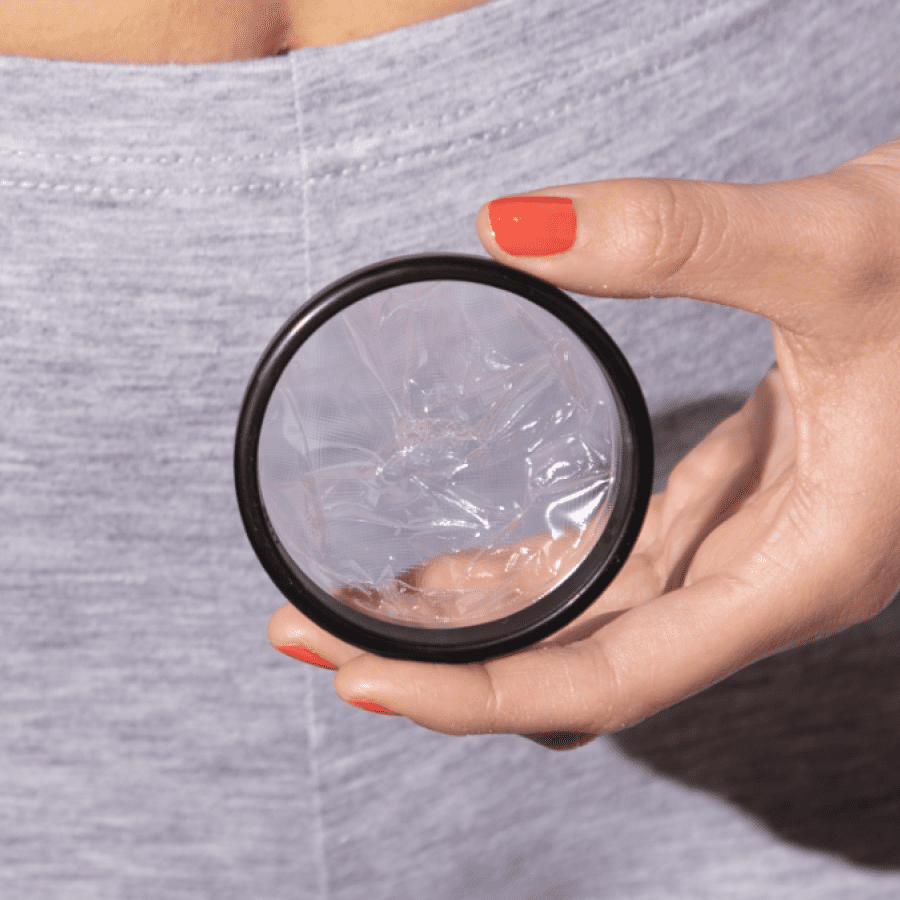
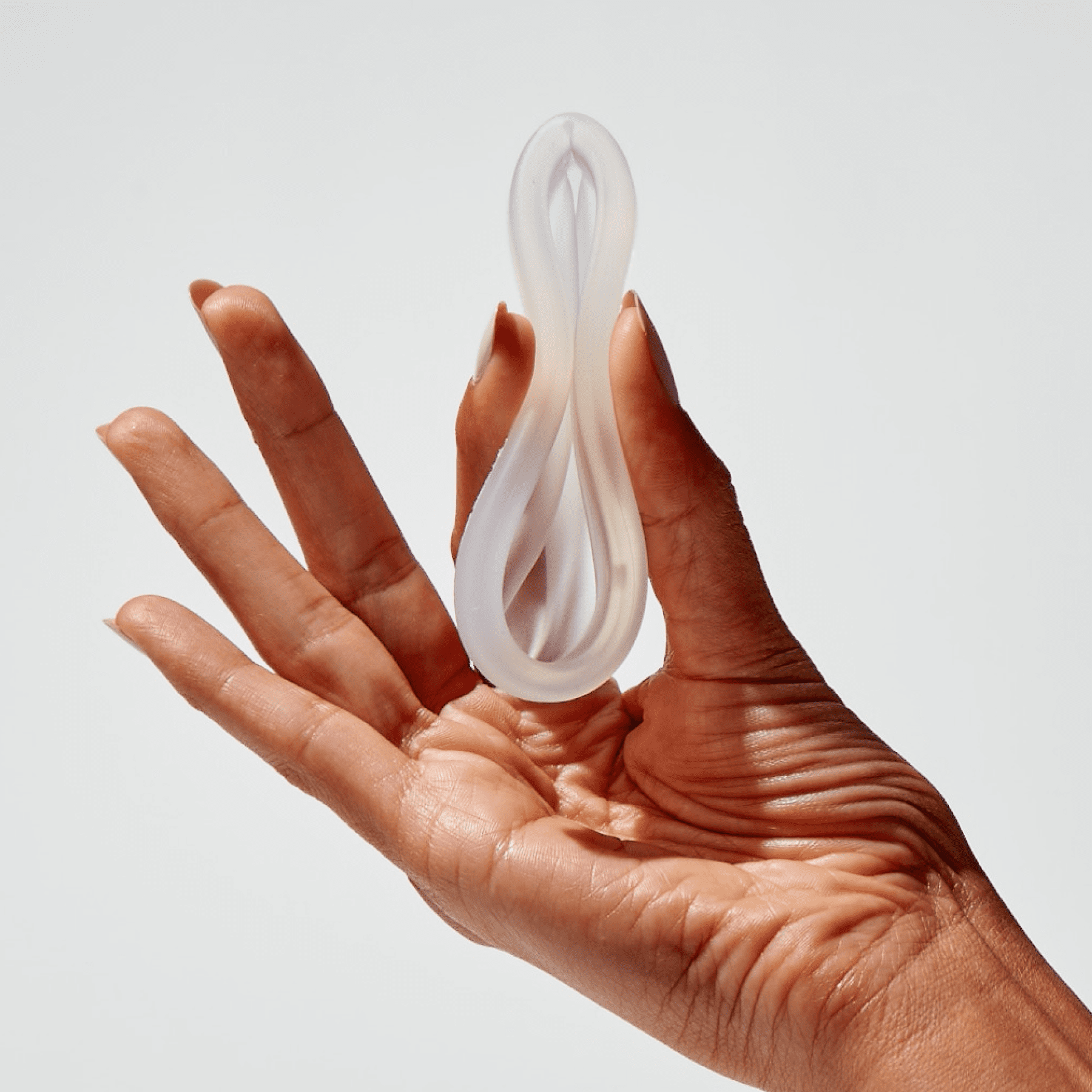
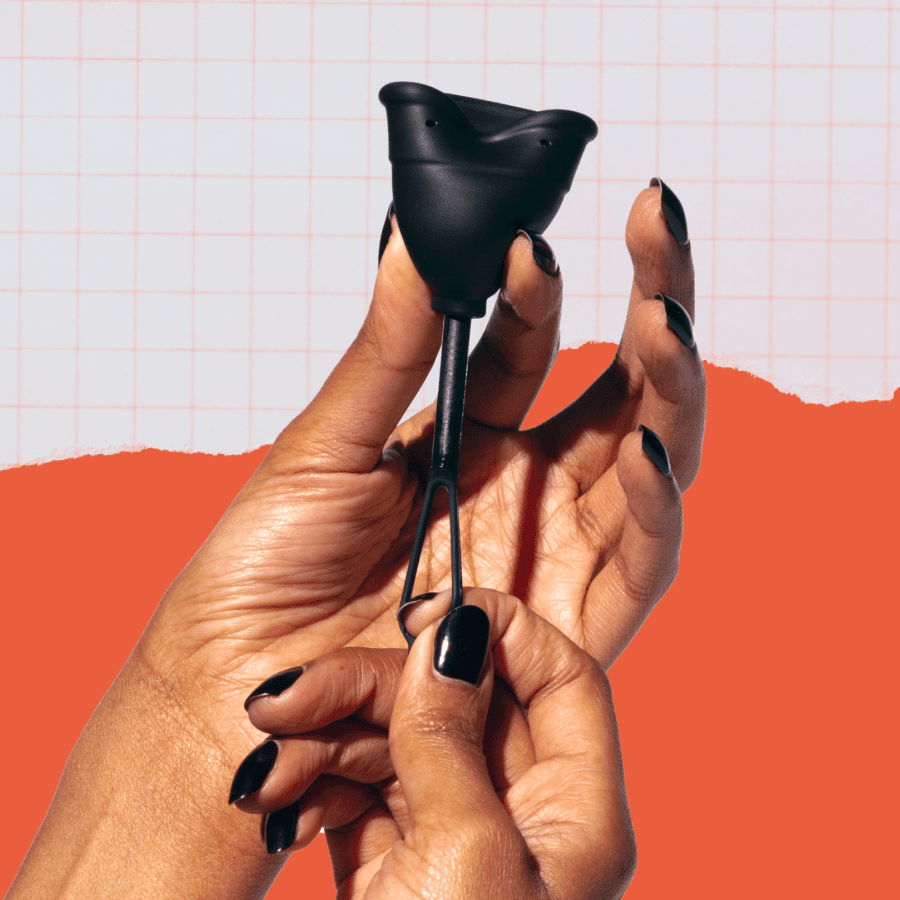
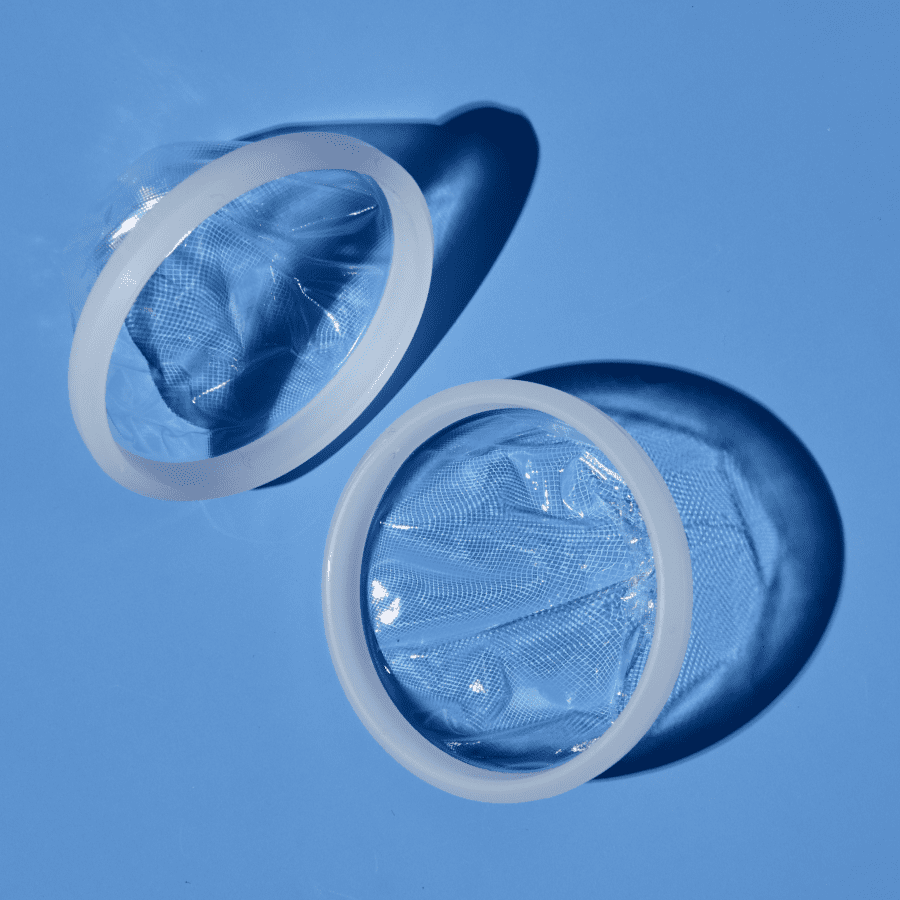
This is where products like Flex Disc or Flex Cup come in clutch. Because they collect rather than absorb, and sit differently than tampons (in the vaginal fornix, rather than the vaginal canal), many people find they experience less cramping and discomfort. Plus, you can wear them for up to 12 hours, which means fewer bathroom trips when you’re already feeling rough.

Movement (when you can manage it)
We know, we know: the last thing you want to do when you have period flu is exercise. But research shows that regular aerobic exercise can actually reduce prostaglandin levels and decrease the severity of dysmenorrhea symptoms over time.4
You don’t need to crush a HIIT workout. Even gentle movement like walking or stretching can help improve blood flow and reduce inflammation.
When period flu is more than just period flu
While period flu is common and generally manageable, sometimes severe symptoms can indicate something else is going on, like endometriosis, PMDD, or other conditions.1
Important reminder: Toxic Shock Syndrome (TSS)
Although rare, TSS is a serious bacterial infection that can occur with menstrual product use, particularly tampons. If you experience intense flu-like symptoms during your period that include high fever (over 102°F), vomiting, diarrhea, a sunburn-like rash, dizziness, or confusion, remove any internal menstrual products immediately and seek emergency medical care.5
The key difference: TSS causes an actual high fever and symptoms that rapidly worsen, while period flu typically doesn’t involve a real fever and symptoms are more cyclical and predictable.5
When to talk to a doctor
You should talk to a healthcare provider if:
- Your symptoms are severe enough to interfere with work, school, or daily life
- Over-the-counter treatments aren’t helping
- You’re experiencing severe mood symptoms, anxiety, or depression
- Your symptoms are progressively getting worse
- You actually have a fever (period flu doesn’t cause real fevers)
Research indicates that up to 70% of people whose symptoms don’t respond to first-line treatments may have underlying endometriosis, so it’s worth investigating if standard approaches aren’t working for you.1
The bottom line
Period flu is real, it’s common, and it’s rooted in legitimate biological processes happening in your body. You’re not being dramatic, and you’re definitely not imagining it.
The prostaglandin surge that happens right before and during your period, combined with hormonal shifts and increased inflammation, can genuinely make you feel like you’ve been hit by a truck. But armed with this knowledge and some evidence-based strategies, you can take steps to feel at least a little more human during that time of the month.
And hey, if switching to a Flex Disc or Flex Cup takes even a little edge off the discomfort? We’ll call that a win.
This article is informational only and is not offered as medical advice, nor does it substitute for a consultation with your physician. If you have any gynecological/medical concerns or conditions, please consult your physician.
© 2026 The Flex Company. All Rights Reserved.