A first period guide for teens and pre-teens
If you think your first period might be coming soon, you might be excited, anxious, or just “meh” about the whole thing. No matter what you’re feeling, it’s totally okay (and you’re definitely not alone).
Most people start noticing small changes in their body before their first menstrual cycle starts. You may notice things like new discharge, mood changes, or growing pains. These changes can feel confusing, or even a little annoying, but they’re all normal.
This guide breaks down the most common first period signs, how to know when your period is coming, what physical and emotional symptoms to expect, and what to do once you notice early changes. You’ll also learn how long your first period lasts, how to talk to a trusted adult, and how to track your cycle once it starts.
What is a period?
If you’ve ever wondered “what is a period?”, “where does period blood come from?”, or “how do periods work?”, we’ve got you covered. A period is part of your body’s natural monthly cycle. Each month, your uterus builds a soft lining of blood and tissue to prepare for a possible pregnancy. If your body doesn’t need that lining, it releases it, and that’s what you see when you get your period.
How can you tell when your first period is coming?
Your first period almost never shows up out of nowhere. Most people notice a series of physical and emotional changes in the months leading up to it.
One of the biggest early signs is vaginal discharge. Vaginal discharge is a white or yellowish fluid you might see in your underwear. Many teens start their first period about a year after discharge begins. 1
Other changes like breast development, new pubic or underarm hair, or feeling suddenly taller, also signal that your body is getting close. Mild cramps, occasional backaches, sore breasts, or waves of tiredness can appear, too.
Your mood may shift a bit as well. You might feel more sensitive, more irritated, or just different inside your own skin. All of these changes are part of puberty, and they’re completely normal.
What are the signs that my period is about to start?
Common first period signs include discharge, breast development, new pubic hair, acne, mild cramps, growth spurts, and mood changes. These physical and emotional shifts can happen weeks or even months before your first menstrual cycle begins. 1
How long does your first period last?
Your first period can be unpredictable. For many people, it lasts somewhere between two and seven days, but both shorter and longer are normal. 2
Your flow may start as light spotting, change color throughout the week, or stop and start again. Some first periods are mostly brown discharge, which is simply older blood leaving your body.
Irregular cycles are completely normal for the first couple of years. Your body is learning a new rhythm, and that takes time.
How to know when your period is coming:
If you’re wondering how to know when your period is coming, pay attention to small changes. Many people notice an increase in discharge or cramps (especially in the low back) a few days beforehand. Your skin might break out, your belly might feel a little puffy, or you might feel more tired than usual. These symptoms can be subtle, but they’re your body’s way of letting you know that your hormones are shifting.
Can I predict when my first period will happen?
There’s no perfect way to predict the exact day your first period will begin, but you can get a sense of where you’re at. If you’ve had discharge for a while, your breasts have been developing, and you’ve grown quickly in the past year or two, your body is likely getting close.
It also helps to ask a trusted adult when they got their first period. Timing can be similar within families, even if it’s not an exact match.
What physical symptoms should I look for?
Before your first period, you might notice cramps that feel like a dull ache in your lower belly or low back. Some people feel bloated or nauseous, or get headaches or acne flare-ups. These are all normal getting your period symptoms and usually come and go.
What emotional changes might happen before my period?
Your emotions may shift more than usual before a period. You might feel irritated one minute and totally fine the next. You might cry more easily or want more time alone. These changes are caused by hormones and don’t mean something is wrong with you; it’s just a part of premenstrual syndrome, or PMS. These emotions usually pass quickly. If they don’t, talk to an adult whom you trust.
How can I prepare once I notice early signs?
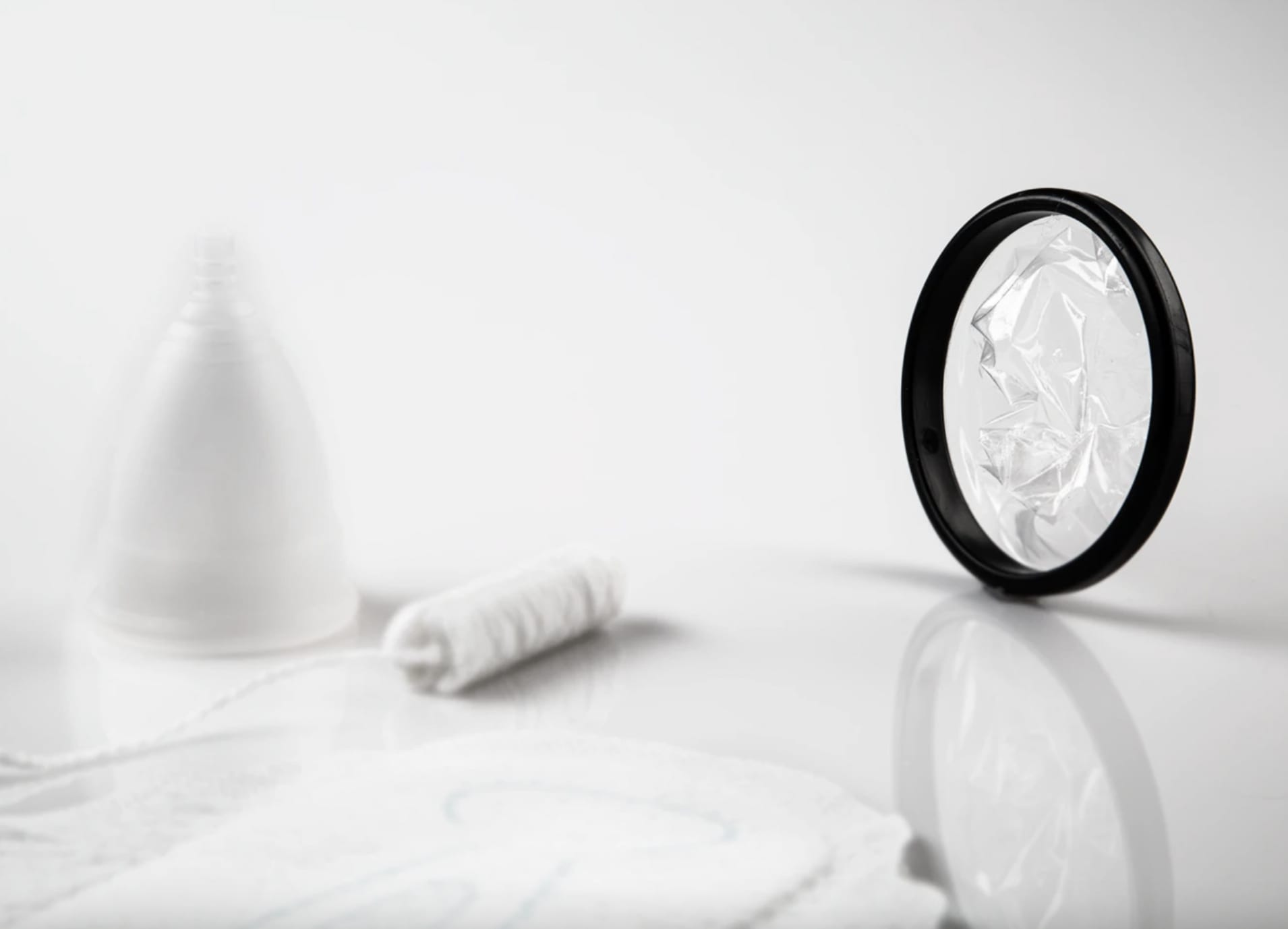
Preparation helps you feel confident rather than caught off guard. A small “first period kit” in your backpack or locker is a great place to start. It can include a pad or period underwear, a spare pair of underwear, a pair of jeans or pants, and a small bag for used items. Add anything that makes you feel comfortable (like wipes or a snack) so you’re ready anytime.
Flex Wipes are body-safe, and come in slim packs that are easy to fit in your bag. Flex Ultra Thin Pads are comfortable, hypoallergenic, and make a great addition to your kit.
It also helps to know what to expect. Your first period might be light and spotty, or it might look a little brown at first. Your flow might change throughout the day. Everyone’s first period is different, and there’s no right or wrong way for it to look.
How do I track my cycle once it starts?
Once your first period arrives, you can start tracking your cycle. That doesn’t mean you need a complicated system. Just keeping notes helps. You can use a period-tracking app, a journal, or the notes app on your phone. Write down:
- The day your period starts
- How long it lasts
- Anything you notice before or during your cycle, like cramps or other symptoms
This helps you understand what’s normal for your own body. Most people don’t have regular monthly periods for the first few years. It many take two or three years to settle into a predictable rhythm. 1 2
Is it normal if my period is early, late, or skips a month?
Early cycles can be more irregular, meaning your period might arrive earlier or later than you expect. It might skip a month, come twice in one month, or feel different each time. As long as you’re not experiencing extremely heavy bleeding or severe pain, these ups and downs are part of the process. 2
Can stress affect when my period comes?
Yes. Stress can make your cycle arrive earlier, later, or skip entirely. Big changes at school, emotional stress, or not getting enough rest can all affect your hormones. If your period seems off and you’ve been stressed, that may be why.
How to tell your mom you got your period (or any trusted adult)
If you’re not sure how to tell your mom you started your period, keep it simple. You could say, “I think my period started. Can you help me get some supplies?” or “I noticed some spotting and wanted to check in.” If talking feels awkward, texting works too. And if you don’t feel comfortable talking to a parent, a school nurse, older sibling, aunt, or guardian can help.
Adults have all been through this—they’ll know what to do.
Where can I find reliable information about periods?
Good places to look include trusted health organizations, right here on The Fornix blog, your school nurse, or a parent or guardian. Don’t trust all the information you might get from random social media videos (unless the creator is a licensed health professional).
This article is informational only and is not offered as medical advice. It is not a substitute for a consultation with your physician. If you have any gynecological/medical concerns or conditions, please consult your physician.