PME vs. PMDD: Why symptoms can worsen before your period
If your mood, anxiety, or energy crash hard in the week before your period, every single cycle, you’ve probably wondered if something deeper is going on.
Maybe you’ve heard of PMDD and wondered if that’s the explanation. But there’s another possibility that doesn’t get nearly enough attention: PME, or premenstrual exacerbation.
Here’s what the research says about both, how to tell the difference, and why getting the distinction right actually matters for how you feel.
What is premenstrual exacerbation (PME)?
PME stands for premenstrual exacerbation. It describes what happens when an existing mental or physical health condition gets reliably worse in the days leading up to your period, then improves once bleeding starts.
The key word here is existing. PME isn’t a standalone diagnosis: it’s a pattern of worsening layered on top of something that’s already there. Depression, anxiety, bipolar disorder, panic disorder, eating disorders, and even conditions like asthma or migraines can all follow this kind of cyclical pattern.
In a PME pattern, symptoms are present throughout the month, but they spike in the luteal phase (those roughly two weeks after ovulation, leading up to your period) and ease back to their baseline after your period starts. You don’t get a genuinely symptom-free window. What you get is a relative improvement. The distinction between PME and PMDD is significant (we’ll get to that in a sec!).
The International Society for Premenstrual Disorders officially classifies PME as a variant of premenstrual disorders (PMDs), separate from PMDD and PMS. 1 But in clinical practice, the two are often confused, or PME gets missed entirely because a woman’s premenstrual symptoms look just like PMDD on the surface.

PME vs. PMDD: What’s the difference?
Both PME and PMDD involve significant mood symptoms in the premenstrual phase, which is a big part of why they’re easy to mix up. The core difference comes down to what happens after your period starts and whether you have an underlying condition.
PMDD (premenstrual dysphoric disorder)
PMDD is its own distinct disorder. Symptoms, including depression, irritability, anxiety, or mood swings, appear in the luteal phase and fully resolve within a few days of your period starting. A true symptom-free window in the follicular phase (the first half of your cycle) is a diagnostic requirement. 2 PMDD is not caused by, or explained by, another underlying disorder.
PME (premenstrual exacerbation)
In PME, an underlying condition drives symptoms year-round, but the premenstrual phase cranks them up. After your period begins, symptoms ease back toward your regular baseline rather than going away entirely. 1 If you still feel depressed or anxious between periods, just less so, PME is a more likely explanation than PMDD.
According to a 2021 review published in Current Psychiatry Reports, community and clinical studies estimate that around 60% of women with mood disorders experience PME, making it far more common than many people realize. Meanwhile, research suggests that a majority of women who initially seek help for what they think is PMDD are actually experiencing PME (most often as a premenstrual worsening of depression). 3
One practical way to think about it: PMDD has an “off switch” that flips when your period arrives. PME has a dimmer that turns up before your period and back down afterward, but the light never fully goes out.
What causes PME?
The same hormonal fluctuations that trigger PMDD symptoms are at play in PME, but the experience is shaped differently depending on what underlying conditions are present.
Both PMDD and PME are thought to stem not from abnormal hormone levels, but from abnormal sensitivity to normal hormone changes. 3 4 In the luteal phase, estrogen and progesterone rise and then drop sharply in the premenstrual window. For some people, that withdrawal is destabilizing in ways it isn’t for others.
Sex hormones directly modulate the brain systems involved in mood, including serotonin, dopamine, GABA, and norepinephrine. 3 Estrogen, for example, promotes serotonin availability and supports emotional regulation. So when it dips premenstrually, people already vulnerable to mood disruption may feel it more intensely.
Meanwhile, a metabolite of progesterone called allopregnanolone acts on GABA receptors in ways that influence anxiety and stress reactivity. 3 When these hormonal and neurochemical interactions go sideways before your period, existing conditions can flare.
In bipolar disorder, the picture is more complex: some people experience premenstrual worsening of depressive symptoms, while others see hypomanic or manic symptoms spike around ovulation. This points to distinct mechanisms depending on the individual and the phase of the cycle.
There’s also a pharmacokinetic angle, a word that refers to how the body processes a drug over time: how it’s absorbed, distributed, metabolized, and eliminated. Hormonal fluctuations affect these processes, and research has found that serum levels of some mood stabilizers, including lithium, can dip during the luteal phase. This could potentially leave some people under-medicated at exactly the time when their symptoms are spiking. 3
Which mental health conditions can have a PME pattern?
PME has been documented across a wide range of mental health diagnoses. A 2022 systematic review in Archives of Women’s Mental Health found clear evidence of symptom exacerbation in the following conditions: 4
- Depression (major depressive disorder, dysthymia)
- Psychotic disorders (including schizophrenia)
- Panic disorder
- Eating disorders (bulimia nervosa, binge eating disorder)
- Borderline personality disorder (BPD)
- Bipolar disorder (though the pattern can differ by type and symptom)
Physical conditions, including migraines, epilepsy, asthma, diabetes, and chronic pain, can also follow PME patterns.
Importantly, PME appears to worsen overall illness course. Studies have linked premenstrual exacerbation to longer depressive episodes, more frequent relapses, poorer treatment response, and higher rates of hospitalization. For people with bipolar disorder, prospective data has connected PME to faster time to relapse.
How is PME diagnosed?
PME doesn’t yet have a formal entry in the DSM-5, which makes diagnosis trickier than it should be. 2 But clinically, the diagnostic standard is the same one used for PMDD: prospective daily symptom tracking across at least two menstrual cycles. 1
In other words, a daily symptom diary is key, and it needs to capture the full range of your underlying condition’s symptoms (not just classic PMDD symptoms). Reviewing the diary, a clinician looks for whether symptoms rise premenstrually and ease after your period starts, and whether there are ongoing symptoms outside the luteal phase.
This is where things can go wrong in clinical practice. If someone with depression presents with severe premenstrual symptoms but isn’t asked about how they feel during the rest of the cycle, or if the diary only screens for PMDD criteria, a PME pattern can easily be misclassified as PMDD, leading to treatments that may not help. 3
It’s also worth knowing that PMDD and PME can coexist. Technically, if someone has an ongoing disorder that worsens premenstrually and also has five or more non-overlapping PMDD-specific symptoms that appear only in the luteal phase, both can be present simultaneously. 3

How is PME treated?
Because PME is rooted in an underlying condition rather than being a standalone disorder, treatment tends to focus on that underlying condition, with adjustments timed to the menstrual cycle.
Adjusting medication around the cycle
Every underlying condition will be approached differently. However, for those with clinical depression, the most promising approach to PME involves temporarily increasing antidepressant dosages during the luteal phase.
Small studies and case series have shown that boosting the dose by 50% for the last 10–14 days of the cycle can reduce premenstrual symptom spikes. 3
For bipolar disorder, appropriate maintenance with mood stabilizers (including lithium, valproate, or lamotrigine) has been shown to significantly reduce or prevent premenstrual mood fluctuations. Monitoring serum levels of mood stabilizers across the cycle may also help, given evidence that levels can drop in the luteal phase. 3
What about treatments that work for PMDD?
Several treatments effective for PMDD, including ovulation suppression with GnRH agonists (like leuprolide) and certain oral contraceptive formulations, have not shown consistent benefit for PME of depression. 3
The underlying biology appears to differ between PMDD and PME in depression, and what resolves PMDD symptoms doesn’t necessarily resolve PME.
Oral contraceptives (birth control pills) show mixed results across the board. Some research suggests they can reduce mood fluctuations in certain populations, but others show neutral or even negative effects, particularly in people with a history of depression. 3 For people with bipolar disorder, oral contraceptives’ interactions with mood stabilizers add another layer of complexity that should be discussed with your healthcare provider.
Psychotherapy for PME
Frustratingly, no studies have yet examined psychotherapy specifically for PME. 3 Given strong evidence that cognitive behavioral therapy (CBT) and other approaches improve mood disorder outcomes in general, therapy can be a great addition to a treatment plan. However, PME-specific data doesn’t exist yet.
Choosing the right period products
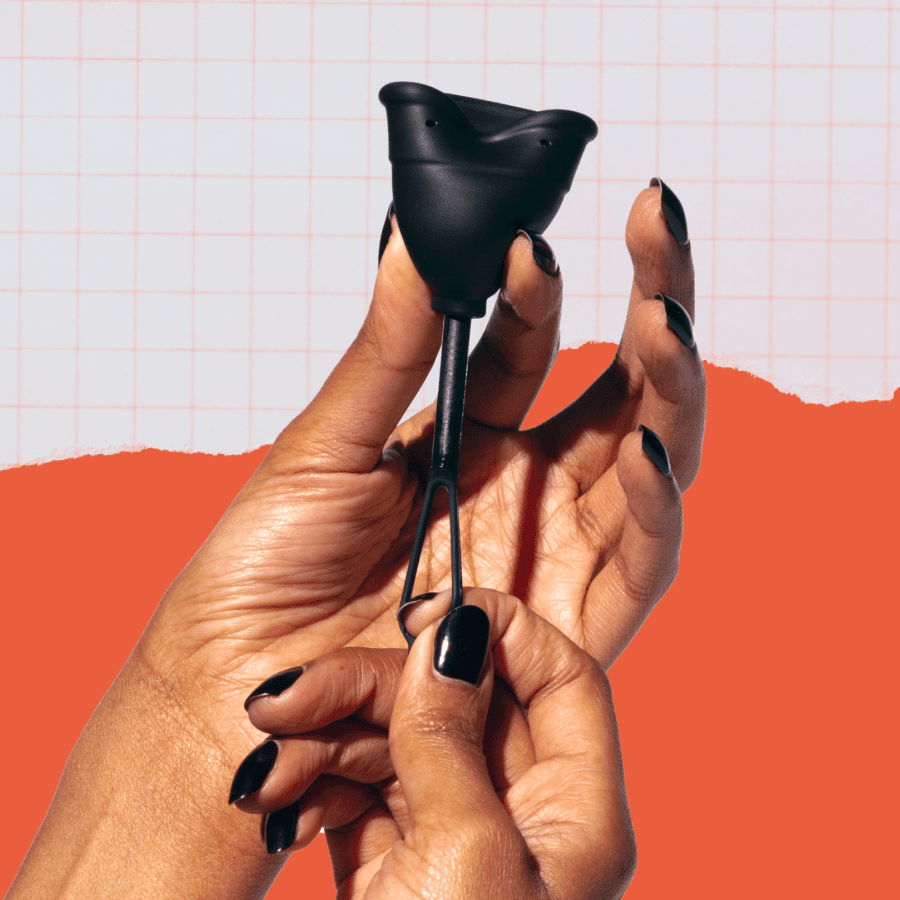
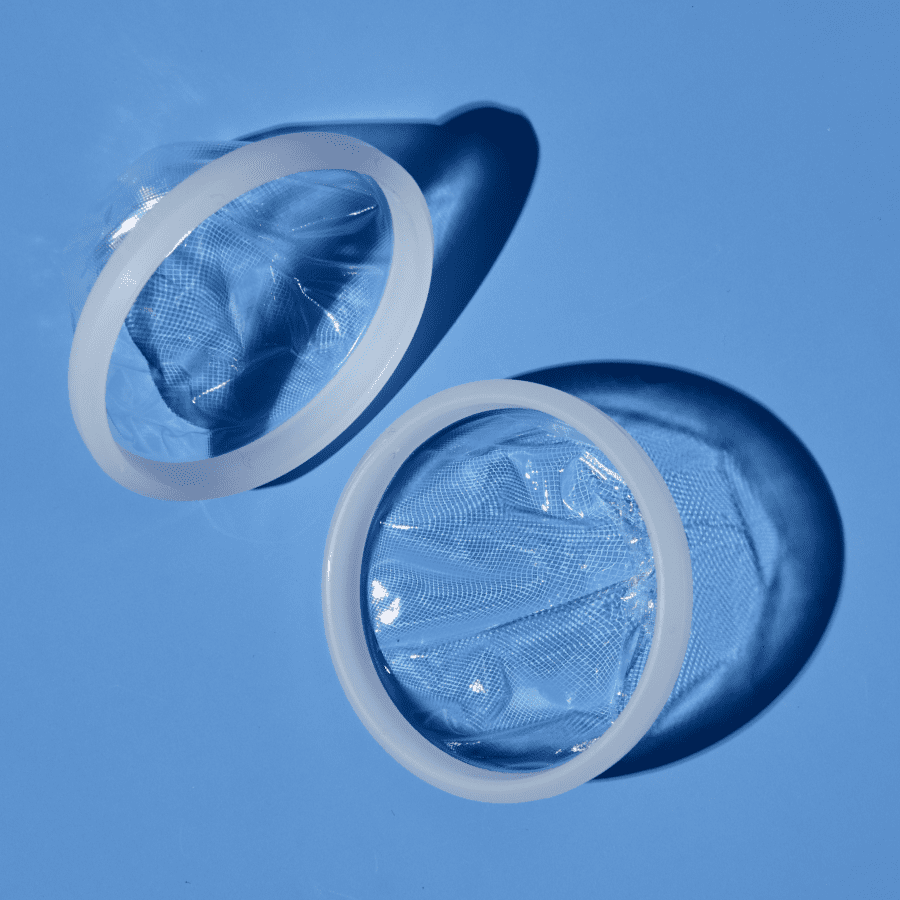
For people who use internal period products, the ability to keep wearing something during the day without interruption can make a huge difference during high-symptom phases, when even small logistical stressors feel worse than usual.
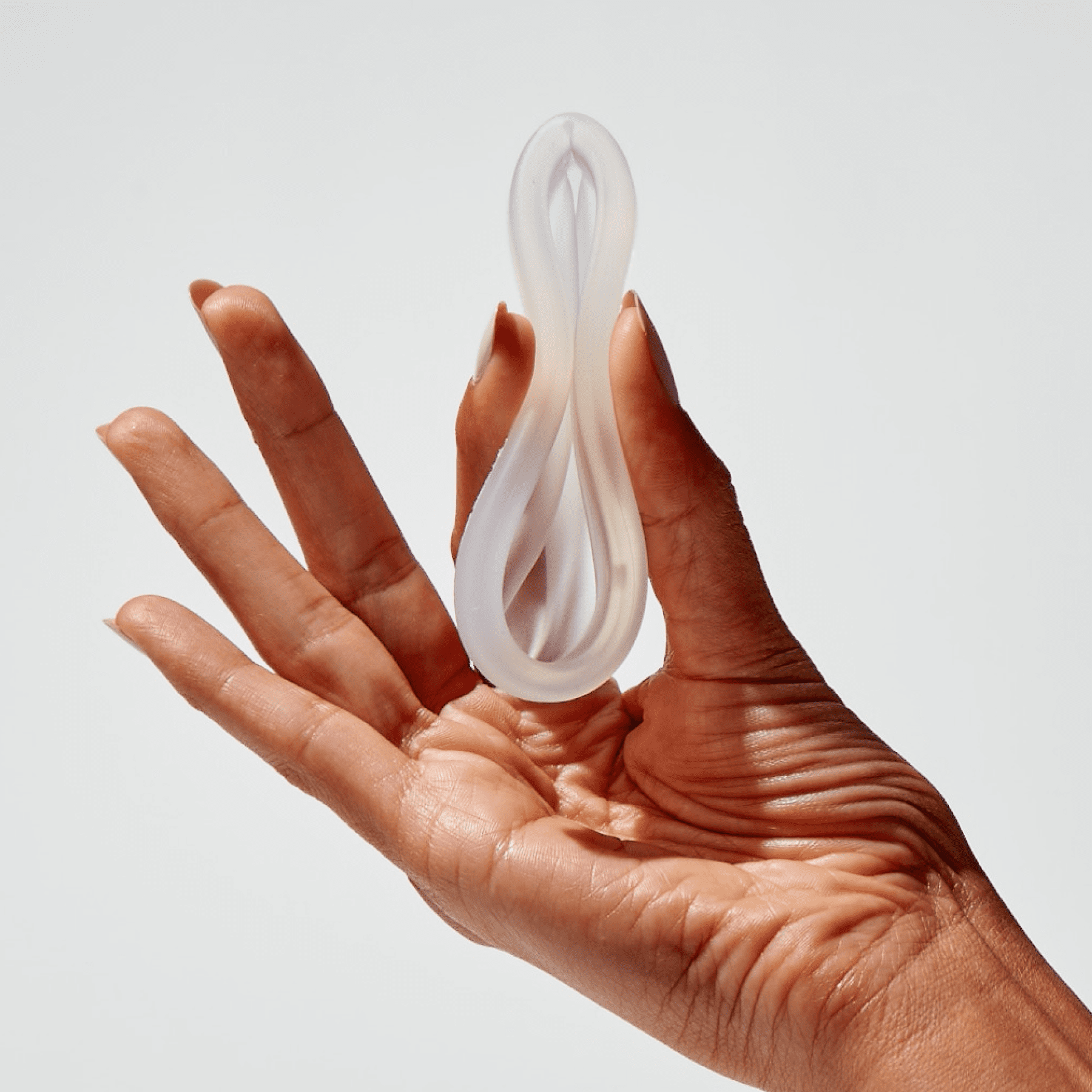
Flex Disc and Flex Reusable Disc can be worn for up to 12 hours, including during sleep, which removes at least one thing from your already-heavy mental burden.

Tracking your cycle matters
Research on PME consistently shows that knowing where you are in your cycle can affect your actual health outcomes. Symptoms that flare during the luteal phase can look a lot more severe than your usual baseline, which means that without cycle context, it’s possible to get the wrong diagnosis, the wrong treatment, or to miss what’s actually driving the pattern.4
If you’re in therapy or managing a mental health condition, noting where you are in your cycle during particularly difficult stretches can provide useful context for both you and your provider. You might find that what feels like treatment failure is actually a cyclical hormonal pattern that could be addressed directly.
In general, one of the most useful things you can do before or during treatment is track your symptoms prospectively (day by day, not from memory) across at least two cycles. Walking into an appointment with that data puts you in a much stronger position to advocate for cycle-adjusted care. It shifts the conversation from “I feel worse before my period” to “here’s documented evidence of a consistent pattern.”
When to bring up PME with your doctor or Ob/Gyn
PME is underdiagnosed, partly because the connection between menstrual cycle timing and mental health fluctuations isn’t always on the radar of mental health providers. 4 In addition, many people assume their premenstrual symptoms are just PMS.
But if you have a suspicion, it’s worth raising with a healthcare provider, especially if:
- You have a diagnosed mental health condition and notice consistent, significant worsening before your period
- Your symptoms don’t fully resolve after your period starts; they just ease back to a baseline
- You feel like your current treatment stops working before your period
- You’ve been told you might have PMDD but you also feel depressed, anxious, or unwell during the rest of the month
The bottom line: your cycle and your mental health are more connected than most people (and honestly, most providers) realize. The more you know about that connection, the better equipped you are to get the care that actually works for you.
This article is informational only and is not offered as medical advice, nor does it substitute for a consultation with your physician. If you have any gynecological/medical concerns or conditions, please consult your physician.
© 2026 The Flex Company. All Rights Reserved.
- O’Brien PM, Backstrom T, Brown C, et al. Towards a consensus on diagnostic criteria, measurement and trial design of the premenstrual disorders: the ISPMD Montreal consensus. Arch Womens Ment Health. 2011;14(1):13–21.[↩][↩][↩]
- Dell DL. Premenstrual syndrome, premenstrual dysphoric disorder, and premenstrual exacerbation of another disorder. Clin Obstet Gynecol. 2004;47(3):568–575.[↩][↩]
- Kuehner C, Nayman S. Premenstrual exacerbations of mood disorders: findings and knowledge gaps. Curr Psychiatry Rep. 2021;23(78). https://doi.org/10.1007/s11920-021-01286-0[↩][↩][↩][↩][↩][↩][↩][↩][↩][↩][↩][↩]
- Nolan LN, Hughes L. Premenstrual exacerbation of mental health disorders: a systematic review of prospective studies. Arch Womens Ment Health. 2022;25:831–852. https://doi.org/10.1007/s00737-022-01246-4[↩][↩][↩][↩]